Strategy + Storytelling Rooted in Community

Author: Brittany “Britt” Lovett

  • Start With the People, Then Build the Plan

    Start With the People, Then Build the Plan

    The strongest strategies usually don’t start with a document. They begin with a conversation.

    It starts with people being invited to speak honestly, and leaders being ready to hear it. That’s where alignment begins. That’s when trust builds. That’s how plans gain the clarity and momentum they need to last.

    More and more, leaders across the sector are choosing to begin this way.

    • A new executive director who walks through every corner of the organization, asking staff what feels unfinished.
    • A funder who calls partners before launching a new program, asking what’s rising in real time.
    • A board chair who chooses to listen quietly in a community meeting and brings back what they heard without translation.

    This is how strategy becomes something people believe in, not just something they’re told to follow.

    Communities know the difference between being asked to contribute and being trusted to shape what’s next. That difference shows up in how the work moves, who carries it, and whether it feels like a burden or a shared vision.

    Listening isn’t a preliminary step. It’s the foundation.

    When listening is woven into the fabric of strategy building, it opens space for deeper ownership. People feel the shift — not just in words but also in how meetings unfold, roles are defined, and decisions are made. It becomes less about managing input and more about honoring perspective.

    Hearing multiple perspectives — especially those that have historically been left out or flattened — makes strategy not only stronger but also more reflective of the world we’re actually working in.

    This kind of approach isn’t about slowing down. It’s about building better.

    With more care. More inclusion. More depth.

    For organizations or foundations looking to lead this way, the opportunity is here.

    Start with the people. Then build the plan.

    And if support is needed — to facilitate, to document, to translate stories into action — Lovett & Sons is here to help.

    🧡Strategy and Storytelling Rooted in Community.
  • Planning for What’s Next Starts with Who’s Already Here

    Planning for What’s Next Starts with Who’s Already Here

    We talk a lot about building capacity. But in practice, that conversation often skips past the people doing the work every day.

    The local activist finding time between shifts and school pickup. The nonprofit staffer juggling operations, outreach, and storytelling — with little time to rest. The neighborhood-based group solving real problems long before funding ever arrived.

    This is where capacity building has to begin. Not in theory — in real time, with the people who are already doing the work. 

    Trust comes first

    Before we talk about tools or timelines, we need trust — the kind built through listening, consistency, and shared experience.

    Capacity isn’t always about hiring more people or applying for bigger grants. Sometimes, it’s about creating space to collaborate across neighborhoods and sectors. It’s about making room to reflect, not just react.

    When that kind of alignment is in place, the right tools become easier to introduce. One of those tools we’re paying close attention to is AI.

    Let tools support the people

    We’ve seen the headlines, but here’s what matters: AI can support capacity when used with intention. For community-rooted organizations short on time, it can help with things like drafting content, organizing records, or summarizing years of data that’s hard to wrangle.

    It’s not about replacing anyone. It’s about making more room for focus, clarity, and the human work that tech can’t do — like building trust, shaping vision, and showing up.

    Strategy that reflects real life

    A five-year strategic plan written without community input is just another document. But a shared vision shaped by real conversations? That can lead to something lasting.

    Strategy should feel lived-in — something people can use, not just review. At Lovett and Sons, that’s the kind of planning we help build.

    What we’ve learned

    We work with nonprofits, community leaders, and philanthropic partners who are ready to:

    • Align their vision with how they work
    • Use storytelling to connect more deeply
    • Build strategy that honors lived experience

    But at the core, it’s always the same belief The people already doing the work deserve support that matches their vision.

    The future starts with us — all of us

    If we want capacity that lasts, we have to:

    • Start by trusting local leaders
    • Strengthen relationships that already exist
    • Use tools like AI with care and clarity
    • Plan together — not for performance, but for real momentum

    The next phase of community work won’t be built alone. It will take conversation, creativity, and planning that feels personal. If you’re looking for a partner to support that process — we’re ready to build it with you. 

  • Rooted in Community Our Conversation on Just Glo

    Rooted in Community Our Conversation on Just Glo

    The best conversations aren’t always planned — and that’s exactly what happened when we joined Gloria Buxton live on her radio show, Just Glo.

    It wasn’t a podcast or a polished interview — it was real, live radio. A space to talk about community, vision, storytelling, and what it looks like to stay grounded in the work. We shared how Lovett and Sons came to be, how strategy and vision unfold in our work, and why the stories we tell — about ourselves, our families, and our communities — hold so much power.

    We’re grateful to Glo for always making space for real conversations and for keeping generations connected through her platform. From the grandkids to the elders, it’s a reminder that the work lives on through the stories, the connections, and the everyday people showing up. THANK YOU, Glo 🧡

    If you missed the show live, we’ve got you covered — we captured the audio so you can listen in.

    Just Glo interviewing Lovett and Sons 6/23/25.

    We’d love to hear what resonates with you — the conversation doesn’t stop when the mics turn off.🧡

    🎧 Tune in to Just Glo every 4th Monday of the month at 2 PM on WSAV-LP 93.7FM, listen2myradio.com (search WSAV), or shilohmbchurch.org.

  • Beyond the Grant — Rethinking Fundraising in Real-Time

    Beyond the Grant — Rethinking Fundraising in Real-Time

    If you’re leading a nonprofit right now, you already know the rhythm: apply, report, wait, repeat. You’ve done the work. You’ve written the grants. And you’ve kept going even when the funding didn’t.

    Philanthropy, in many ways, has carried the sector through seasons of growth and hardship. And for that, we hold deep respect. But relying solely on grant cycles in 2025 is like building a house on sand. The foundation needs to shift.

    There is more funding available than most organizations realize — not always through new grants, but through existing relationships, overlooked opportunities, and untold stories. One of those places is Donor-Advised Funds.

    According to the 2024 Donor-Advised Fund Report by the National Philanthropic Trust, charitable assets held in donor-advised funds (DAFs) totaled $251.52 billion at the end of 2023.

    That same year, $54.77 billion was granted from DAFs to nonprofits, making it one of the highest annual totals on record — even with a drop in new contributions.

    While DAF contributions and grants shifted with economic trends, the payout rate remained steady at nearly 24%. This consistency shows that many donors are still giving — especially when they feel connected to the mission

    This is the time to step back and reflect. Not on what’s missing — but on what’s already present. What connections haven’t been nurtured? What stories haven’t been told? What relationships could deepen if you slowed down long enough to ask different questions?

    We often find that the clarity nonprofits are looking for doesn’t come from bigger goals — it comes from more grounded ones. The moment you shift from “How do we raise money?” to “Who have we already moved?” everything starts to change. It’s not just about funding. It’s about positioning. And that positioning must come from the inside out — your values, your voice, your community.

    At Lovett and Sons, we help nonprofits realign with what’s already working and build the tools to strengthen it. That includes creating a message donors can trust, a structure that doesn’t rely on a single revenue stream, and a storytelling strategy that feels like you — not like a grant proposal in disguise.

    If you’re ready to shift the way you fundraise — not just tactically but holistically — we’re prepared to walk with you. This moment doesn’t need more hustle. It requires more honesty. And your story deserves to be told with intention.

    🧡 Let’s build it together.

  • The People Who Already Know the Way

    The People Who Already Know the Way

    Some of the best ideas don’t come from boardrooms or strategic plans—they come from the people already living the work, day in and day out.

    Philanthropy and nonprofits have essential roles to play. But no matter how thoughtful the strategy or well-written the grant, they can’t—and shouldn’t—try to do it all. Real change takes partnership. It takes people who are rooted in their communities and ready to act.

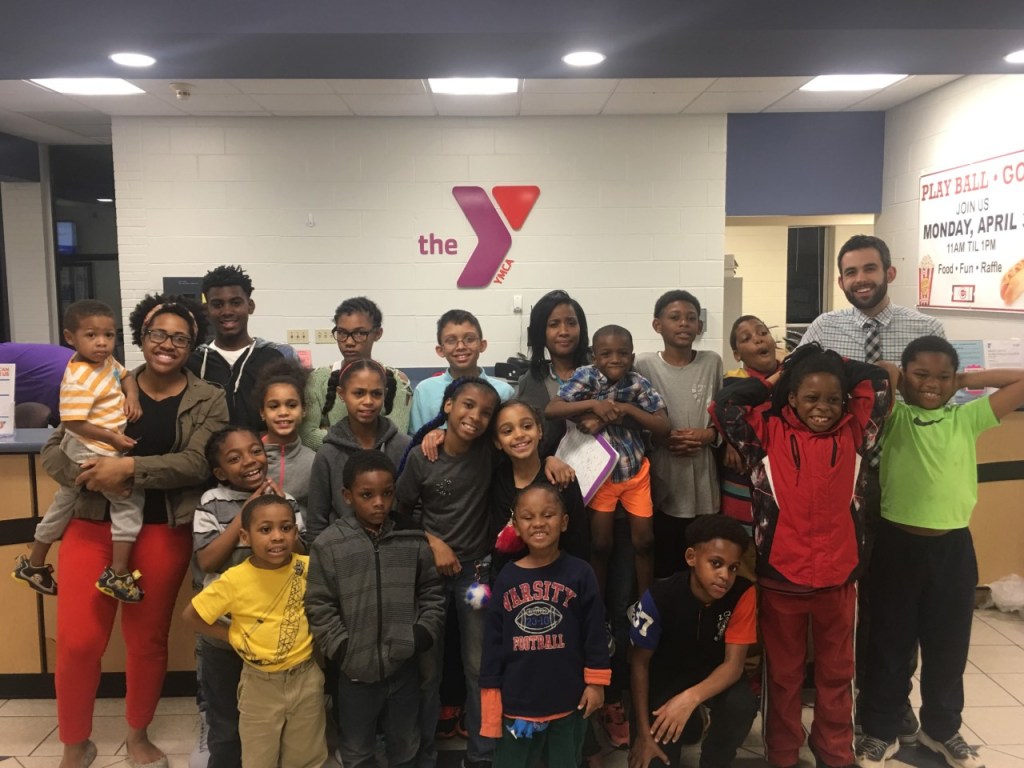
    Years ago, when I lived in Cincinnati and worked for the YMCA, a man named J.R. kept calling to find someone to help the kids in his housing complex. There had been a fire that shook the community, and he was determined to restore a sense of joy for the children. After several calls, his message finally landed in my inbox.

    We didn’t hold a planning meeting or wait for permission. We just showed up.

    The apartment complex gave us space, and I walked in—professionally dressed, coming straight from a full day of work—but I didn’t hesitate. I went straight to the floor, sat criss-cross applesauce with the kids, and asked one simple question: What do you want to do?

    Their answers came fast—swimming, basketball, even restoring old shoes. Every Friday night, we made it happen for over a month. We transported the kids to and from the Y, made sure they ate (thanks to local restaurants who donated meals), and had parents rotate as chaperones. It was simple. It was powerful. It was community in motion.

    And here’s the truth: I didn’t have time.

    At that point, I was the Family Life Director for an entire branch. I was overseeing six school-age programs, three preschool classrooms, a 200-camper outdoor summer camp, and all childcare operations at that branch. I was already working 12-hour days. Oh, and Owen was 4 and Aiden 2.

    But somehow, this extra thing became exactly what we all needed.

    It wasn’t on a schedule. It wasn’t on a grant report. But it brought me back to the heart of the work. That day—sitting criss-cross applesauce in dress clothes on the apartment floor with kids full of ideas—something shifted. The kids saw it. The parents saw it. I felt it. And I’ve carried it with me ever since.

    The kids exploring nutrition.

    That day—sitting criss-cross applesauce in dress clothes on the apartment floor with kids full of ideas—something shifted. The kids saw it. The parents saw it. I felt it. And I’ve carried it with me ever since.

    Because sometimes, what makes a moment meaningful isn’t how much time you have—it’s whether you choose to show up anyway. It’s about being willing to try something new, even when your plate is full. And when you show up with humility and consistency, the right people—authentic people—will feel it. That’s where trust is built.

    And trust is what turns a moment into a movement.

    The kids learning how to refurbish their old sneakers.

    As we think about what comes next in our sector, let’s remember:

    Not everything has to be scaled to have a significant impact.

    Not every solution has to start from scratch.

    And not every leader needs a title.

    Philanthropy can build bridges. Nonprofits can help pave paths. But where are the people already living the experience? They’ve often already imagined what’s possible. They need someone to show up and help bring it to life.

    Who are the J.R.s in your community—people with ideas, compassion, and commitment—who need someone to listen, believe, and follow through?

    Sometimes, the future is already trying to call. We have to answer.

    Thanks to all the people that made Kingz Kids possible! Community at it’s finest.

    Thank Mr. J.R. may you rest in peace. 🧡

  • New Begininngs, but Let’s Talk About the Ending.

    New Begininngs, but Let’s Talk About the Ending.

    And a New Kind of Leadership.

    After nearly seven years of impact, learning, and forward motion, I’m stepping away from a chapter that helped shape me—but never defined me. While I won’t name the organization here, I will honor the work, the people, the transformation—and most importantly, the community that has been at the center of every decision I made.

    I have long believed that community will save us.

    In the years to come, as the weight of failing systems presses harder, our neighborhoods, families, and youth will require more than what the current philanthropic models, state structures, and federal responses can offer. We will need one another. We will need new tables, new strategies, and new forms of collective imagination.

    For those who know me well, this is not the end. This is the alignment I’ve been prepared for—long before the path had language.

    You don’t remain part of the movement for 13 years without understanding the environment and the tactics that created it. You don’t lead young professionals, reimagine systems, and build bridges across differences without understanding what is possible when people trust community over control.

    I’ve been privileged to walk in many rooms—some welcoming, others resistant. I’ve learned to listen deeply, speak clearly, and stay rooted in values even when the ground shifted beneath me. From Oberlin to Avon, from Xavier’s campus to the Neighborhoods throughout Cincinnati, and back home again—I’ve carried the weight of history and the vision of the future in every step.

    This new beginning? It doesn’t fully exist yet. But I’ve known it was coming for a long time.

    I’m building something that stretches beyond a job title or a LinkedIn profile. It is part teaching, part remembering, part disruption, and full embodiment. It will live at the intersections of community, storytelling, and strategy.

    And it will require all of us.

    New Begininngs, but Let’s Talk About the Ending.

    Whether you’ve worked with me directly, shared space at an event, been impacted by a conversation, or a moment that shaped your thinking. Your words will help shape what comes next.

    📣 Share your story with me → here

    Thank you for holding space for what’s next.

    And thank you, especially, to those who always saw me clearly.

    xoxo britt

  • Board Leadership Across Generations: Capacity, Commitment, and Community

    Board Leadership Across Generations: Capacity, Commitment, and Community

    For years, I’ve heard the same question echo through rooms filled with urgency and vision: “How do we prepare the next generation for board leadership?” It’s the right question, but how we frame it might be part of the problem.

    Millennials are often talked about like they’re new to the workforce or just learning to lead. In reality, most are in their mid-thirties to early forties, juggling full-time careers, caregiving responsibilities, and economic uncertainty. And Gen Z? They are in adulthood in a world that doesn’t look anything like the one their parents prepared them for. Before we ask how we prepare them, we must ask if we’ve even made space for them to serve. Gen Xers and Boomers have long carried the weight of board leadership, but without intentional succession planning and shared power, their legacy risks being unsustainable.

    Right now, capacity is a conversation we usually reserve for nonprofits—how under-resourced they are and how stretched their staff can be. But what about the people we want to serve on their boards? What about the 30-year-old trying to buy a house, care for elders, raise children, and maintain their mental health in a system that wasn’t built for balance?

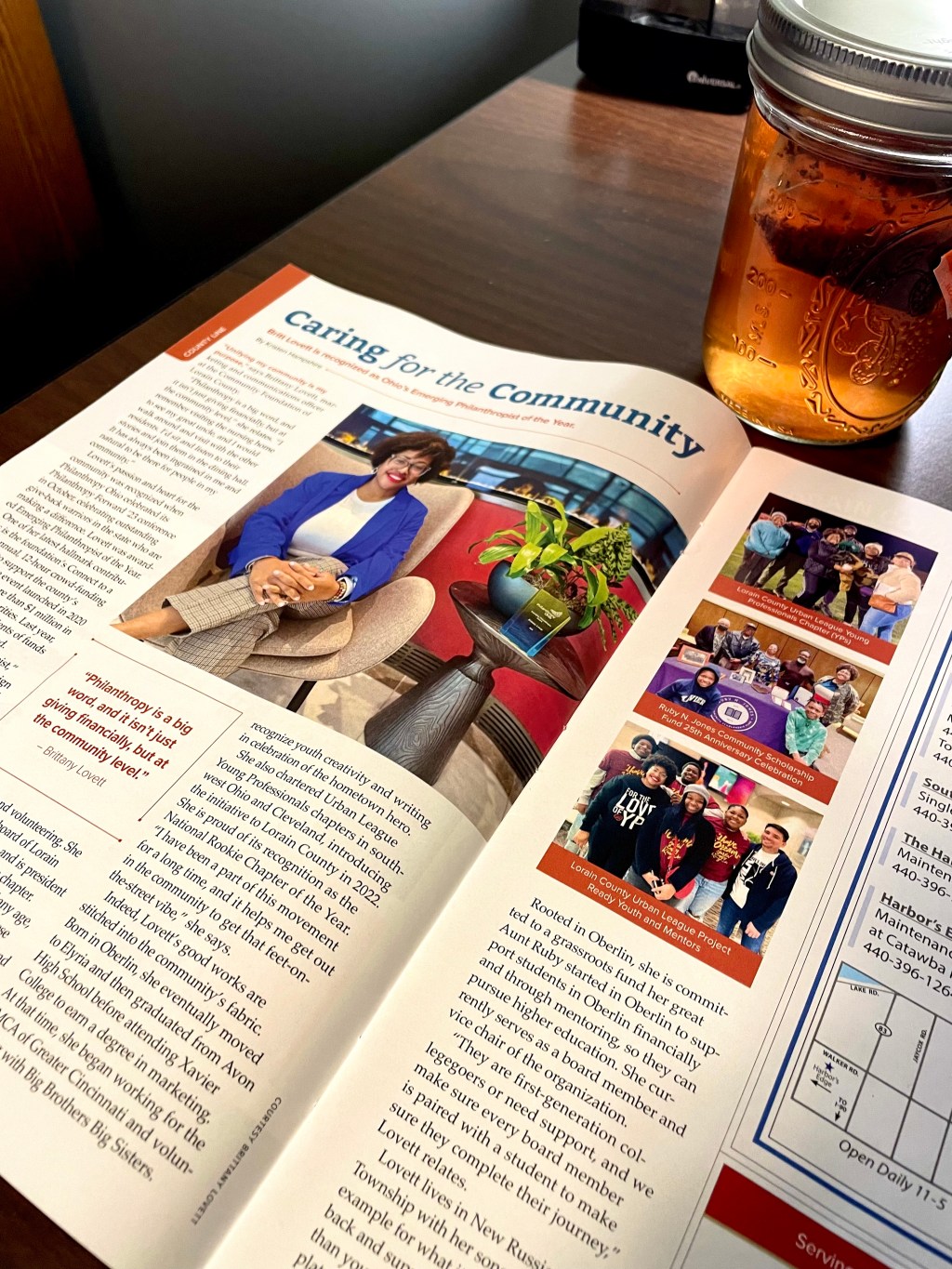
    Serving on a board requires time, emotional labor, and sometimes money. It’s not unusual to see the same people in Lorain County on five or six boards at once. I know—I’m currently on four myself, all in leadership roles. That’s not a flex. That’s an example of what happens when our pool of leaders appears to be shallow, not because people don’t care—but because they don’t have the capacity to do more. Also, you may not have access to the right side of the pool.

    And that’s why Lovett & Sons exists—to help reimagine systems that don’t just rely on tradition but genuinely serve today’s realities. We need new models of leadership development that account for economic realities, burnout, and shifting values. Because if we don’t adapt, we risk building boards that look diverse on paper but still operate in ways that exclude working-class voices, single parents, young leaders, and those who move through the world differently.

    It’s not enough to invite someone to the table—we need to ensure they can afford to sit there.

    Three Questions to Consider:

    1. What barriers—visible or invisible—might be preventing emerging leaders from joining your board?
    2. How are you compensating or supporting board members who give their time and their lived experience?
    3. Is your board built for sustainability—or just for survival?
  • Strategy Rooted in Community: The Story of Lovett & Sons

    Strategy Rooted in Community: The Story of Lovett & Sons

    As spring unfolds into summer here in Lorain County, Ohio, we’re excited to introduce Lovett & Sons, officially launching on Friday, May 2, 2025. This endeavor represents a culmination of years dedicated to community engagement, strategic planning, and a steadfast commitment to fostering collaborative solutions.

    About the Founder

    I’m Britt, the founder and principal consultant of Lovett & Sons. Being a native of this vibrant community, I’ve always been passionate about bringing diverse voices together to address complex challenges. Over the years, I’ve honed the ability to facilitate conversations that lead to actionable strategies, recognizing that the most effective solutions emerge when varied experiences converge.

    Our Mission: Strategy Rooted in Community

    Our guiding principle, Strategy Rooted in Community, reflects our belief that sustainable change arises from within. We aim to empower local organizations, leaders, and residents by providing strategic consulting services informed by our community’s unique dynamics.

    A Visual Journey

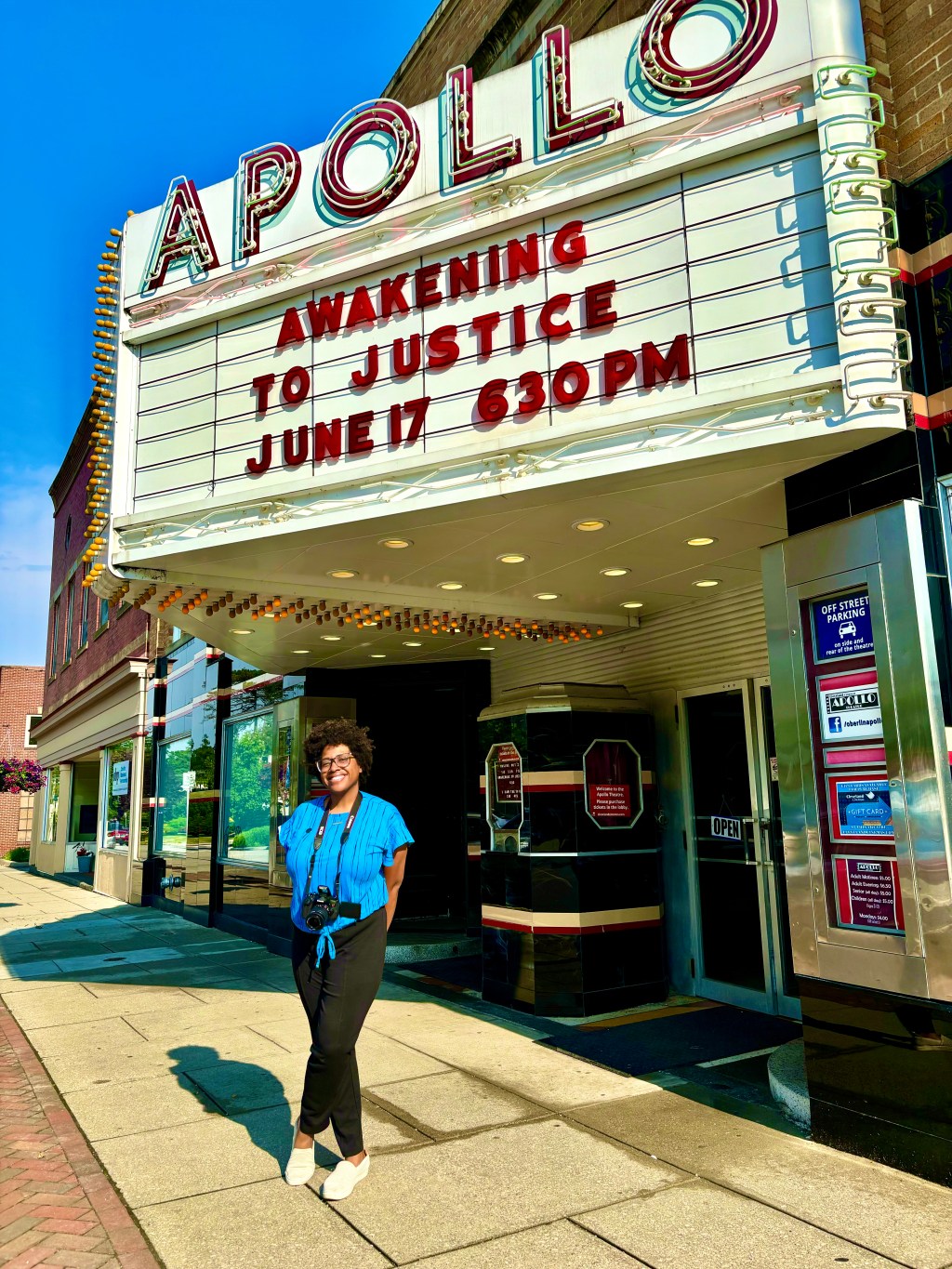
    The visuals you’ll encounter throughout our platforms testify to our community’s richness. Many photographs have been captured by me, while others are contributions from talented local artists and cherished family members. Each image tells a story, encapsulating moments that inspire our mission.

    Looking Ahead

    As we approach Juneteenth, a time of reflection and celebration, we’re reminded of the importance of community resilience and unity. We’re excited to embark on this journey, not only within Lorain County but also extending our reach across the state and region.

    In the coming weeks, we’ll share blog posts that delve deeper into our vision, values, and the impact we aspire to make. We invite you to join us in this endeavor, share your insights, and collaborate toward building a more connected and empowered community.

    Stay Connected:

    • Website
    • britt@lovettcollective.com

    Thank you for being a part of our story.