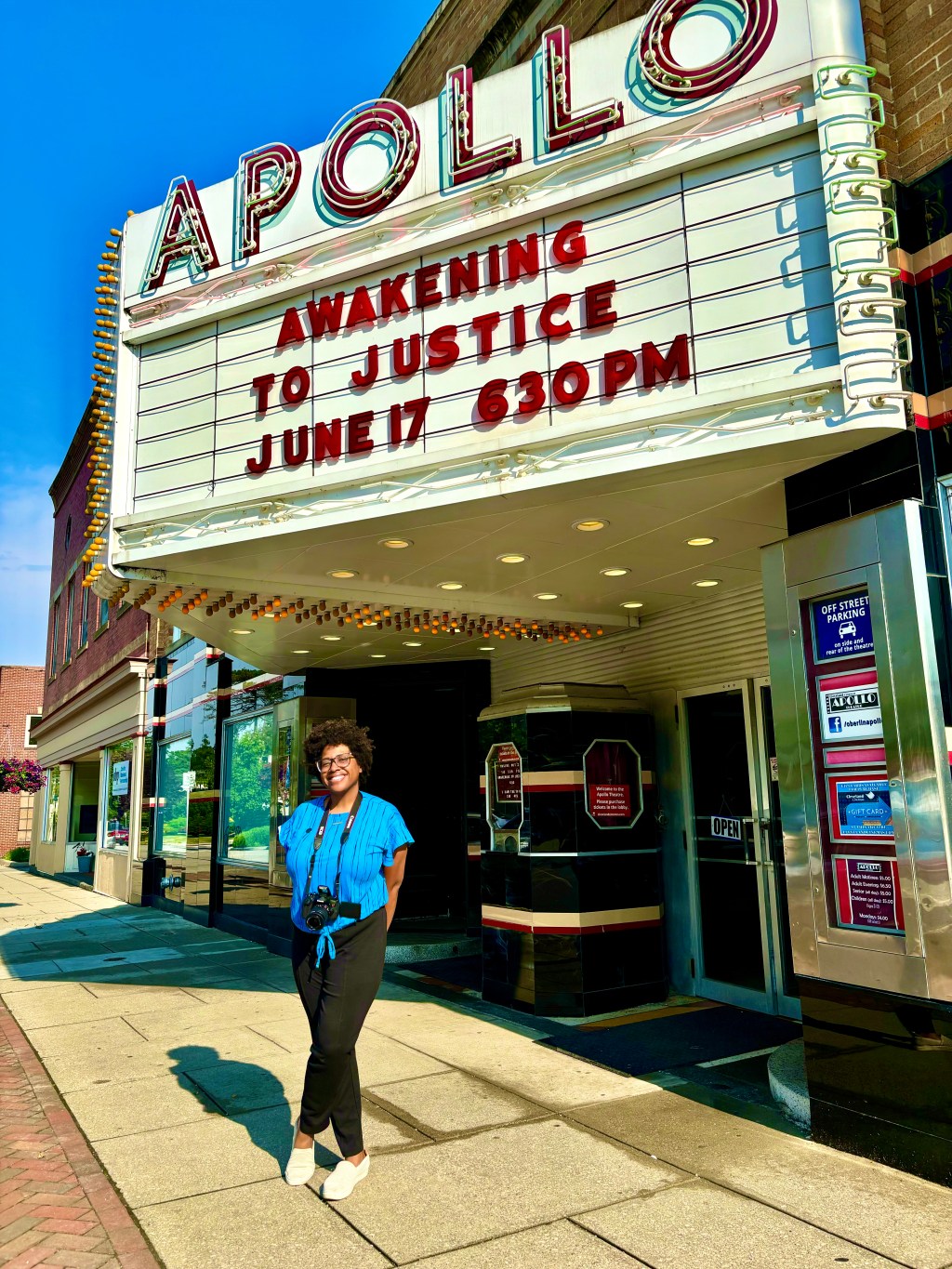
Strategy + Storytelling Rooted in Community

Category: Uncategorized

  • New Begininngs, but Let’s Talk About the Ending.

    New Begininngs, but Let’s Talk About the Ending.

    And a New Kind of Leadership.

    After nearly seven years of impact, learning, and forward motion, I’m stepping away from a chapter that helped shape me—but never defined me. While I won’t name the organization here, I will honor the work, the people, the transformation—and most importantly, the community that has been at the center of every decision I made.

    I have long believed that community will save us.

    In the years to come, as the weight of failing systems presses harder, our neighborhoods, families, and youth will require more than what the current philanthropic models, state structures, and federal responses can offer. We will need one another. We will need new tables, new strategies, and new forms of collective imagination.

    For those who know me well, this is not the end. This is the alignment I’ve been prepared for—long before the path had language.

    You don’t remain part of the movement for 13 years without understanding the environment and the tactics that created it. You don’t lead young professionals, reimagine systems, and build bridges across differences without understanding what is possible when people trust community over control.

    I’ve been privileged to walk in many rooms—some welcoming, others resistant. I’ve learned to listen deeply, speak clearly, and stay rooted in values even when the ground shifted beneath me. From Oberlin to Avon, from Xavier’s campus to the Neighborhoods throughout Cincinnati, and back home again—I’ve carried the weight of history and the vision of the future in every step.

    This new beginning? It doesn’t fully exist yet. But I’ve known it was coming for a long time.

    I’m building something that stretches beyond a job title or a LinkedIn profile. It is part teaching, part remembering, part disruption, and full embodiment. It will live at the intersections of community, storytelling, and strategy.

    And it will require all of us.

    New Begininngs, but Let’s Talk About the Ending.

    Whether you’ve worked with me directly, shared space at an event, been impacted by a conversation, or a moment that shaped your thinking. Your words will help shape what comes next.

    📣 Share your story with me → here

    Thank you for holding space for what’s next.

    And thank you, especially, to those who always saw me clearly.

    xoxo britt
  • Board Leadership Across Generations: Capacity, Commitment, and Community

    Board Leadership Across Generations: Capacity, Commitment, and Community

    For years, I’ve heard the same question echo through rooms filled with urgency and vision: “How do we prepare the next generation for board leadership?” It’s the right question, but how we frame it might be part of the problem.

    Millennials are often talked about like they’re new to the workforce or just learning to lead. In reality, most are in their mid-thirties to early forties, juggling full-time careers, caregiving responsibilities, and economic uncertainty. And Gen Z? They are in adulthood in a world that doesn’t look anything like the one their parents prepared them for. Before we ask how we prepare them, we must ask if we’ve even made space for them to serve. Gen Xers and Boomers have long carried the weight of board leadership, but without intentional succession planning and shared power, their legacy risks being unsustainable.

    Right now, capacity is a conversation we usually reserve for nonprofits—how under-resourced they are and how stretched their staff can be. But what about the people we want to serve on their boards? What about the 30-year-old trying to buy a house, care for elders, raise children, and maintain their mental health in a system that wasn’t built for balance?

    Serving on a board requires time, emotional labor, and sometimes money. It’s not unusual to see the same people in Lorain County on five or six boards at once. I know—I’m currently on four myself, all in leadership roles. That’s not a flex. That’s an example of what happens when our pool of leaders appears to be shallow, not because people don’t care—but because they don’t have the capacity to do more. Also, you may not have access to the right side of the pool.

    And that’s why Lovett & Sons exists—to help reimagine systems that don’t just rely on tradition but genuinely serve today’s realities. We need new models of leadership development that account for economic realities, burnout, and shifting values. Because if we don’t adapt, we risk building boards that look diverse on paper but still operate in ways that exclude working-class voices, single parents, young leaders, and those who move through the world differently.

    It’s not enough to invite someone to the table—we need to ensure they can afford to sit there.

    Three Questions to Consider:

    1. What barriers—visible or invisible—might be preventing emerging leaders from joining your board?
    2. How are you compensating or supporting board members who give their time and their lived experience?
    3. Is your board built for sustainability—or just for survival?